27 Best Synonyms for Limited Government
Explore alternative ways to describe restricted state power, individual liberty, and limited political authority.
Read the guide ↗Master Grammar. Improve Your English
Make your writing clearer, more precise, and more natural. Explore useful synonyms, understand subtle differences in meaning, and build a stronger vocabulary for essays, work, and everyday communication.
Having great meaning, value, or influence.
Clear evidence plays a significant role in the argument.
Start with a part of speech or explore a broader vocabulary collection. Each guide helps you understand alternatives and choose words that suit your sentence.
Explore alternatives for people, places, objects, ideas, and concepts.
Explore nouns ↗ 02 / ACTION WORDSFind stronger verbs for actions, processes, communication, and change.
Explore verbs ↗ 03 / DESCRIPTIONDiscover descriptive alternatives for qualities, feelings, and character.
Explore adjectives ↗ 04 / HOW & WHENChoose words that explain how, when, where, or to what extent.
Explore adverbs ↗ 05 / BETTER WRITINGBuild a more polished vocabulary for essays, reports, and professional writing.
Explore writing words ↗ 06 / LEVEL UPLearn higher-level English words, nuanced meanings, and formal usage.
Explore vocabulary ↗Two words can share a similar meaning without being interchangeable in every sentence. The best choice depends on what you want to say, the tone you need, and the situation in which you are writing.
A stronger alternative can make the sentence more specific.
Different situations call for different language. Explore word choices that help you communicate with accuracy, confidence, and the right level of formality.
Use precise vocabulary to explain ideas, compare evidence, and develop a clear argument.
Explore academic words ↗Expand your range with nuanced alternatives and higher-level vocabulary in context.
Explore advanced words ↗Choose clear, appropriate language for reports, presentations, and workplace writing.
Find professional words ↗Find vivid descriptive words that add detail, tone, and personality to your writing.
Explore descriptive words ↗You do not need to use the longest or most unusual word to improve your writing. You need the word that communicates your meaning accurately.
Identify the word that feels repetitive, vague, or too informal for the sentence.
Review related words, their meanings, and the differences in tone or emphasis.
Try the best option in your sentence and check that the meaning still feels right.
Go beyond quick word lists with practical guides that explain alternatives, meanings, and how to use them in context.
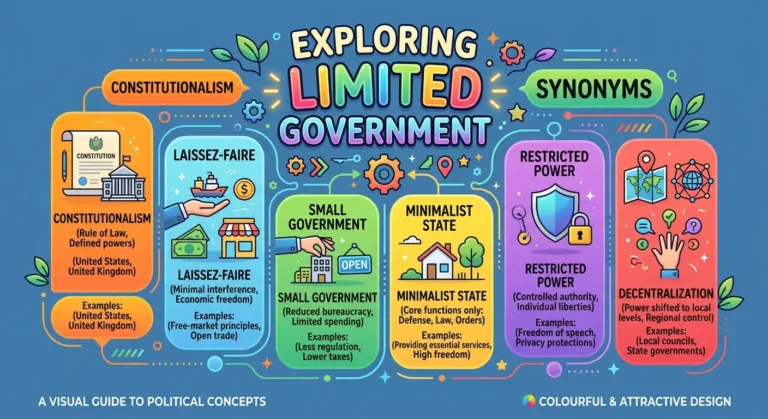 WORD GUIDE ↗
Explore alternative ways to describe restricted state power, individual liberty, and limited political authority.
Read the guide ↗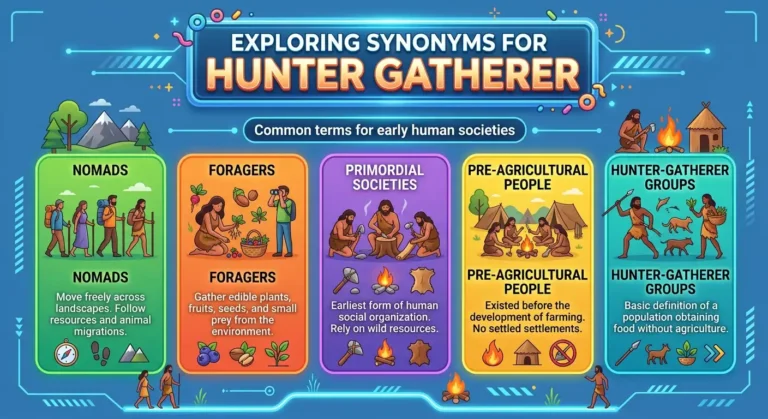 WORD GUIDE ↗
Discover useful terms for describing people and communities who traditionally gathered wild food and hunted animals.
Read the guide ↗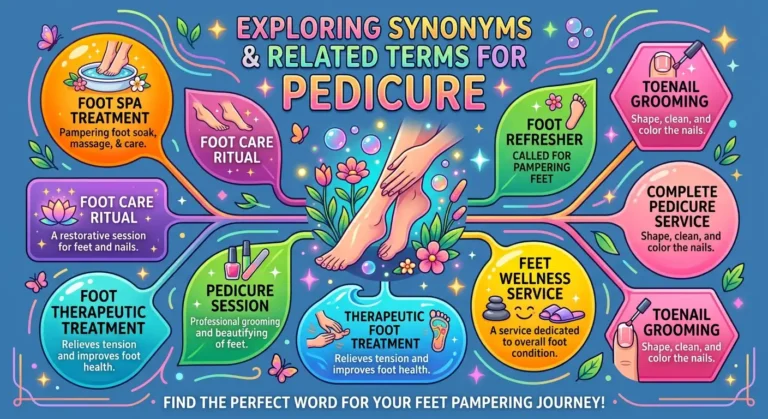 WORD GUIDE ↗
Understand related terms for foot care, nail treatments, and the language used in beauty and wellness writing.
Read the guide ↗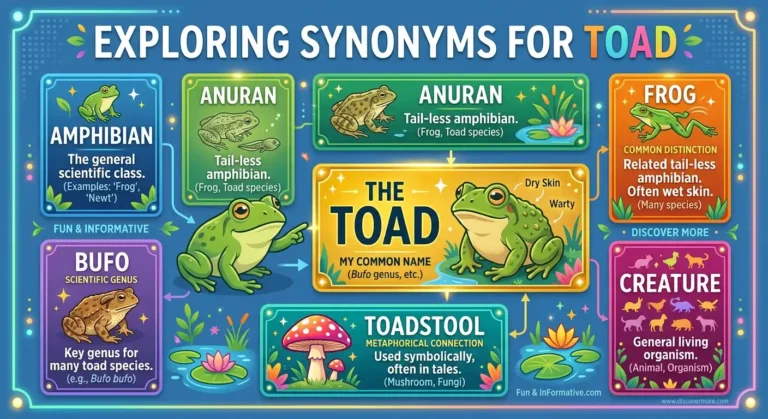 WORD GUIDE ↗
Explore vocabulary for describing this amphibian in nature writing, science, stories, and everyday English.
Read the guide ↗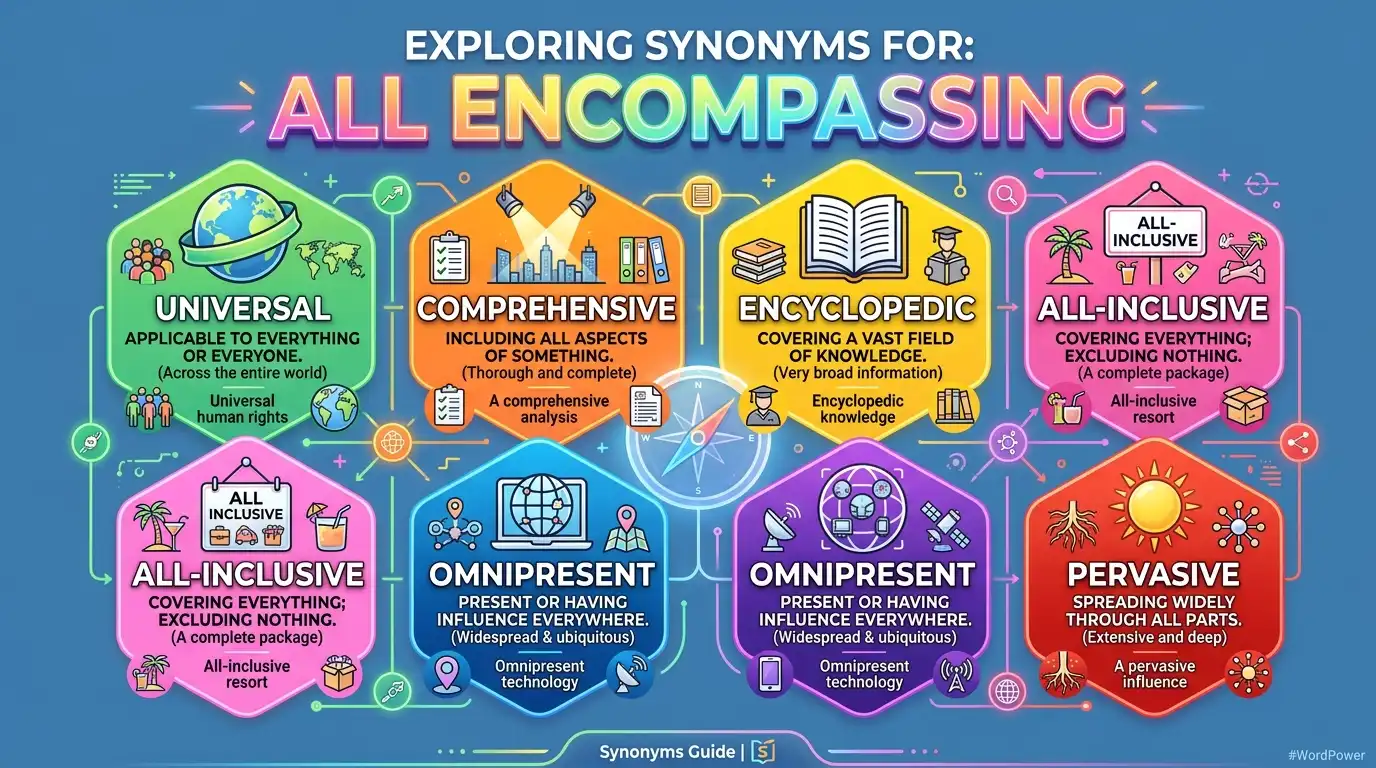 WORD GUIDE ↗
Find descriptive alternatives for something complete, comprehensive, wide-ranging, or inclusive.
Read the guide ↗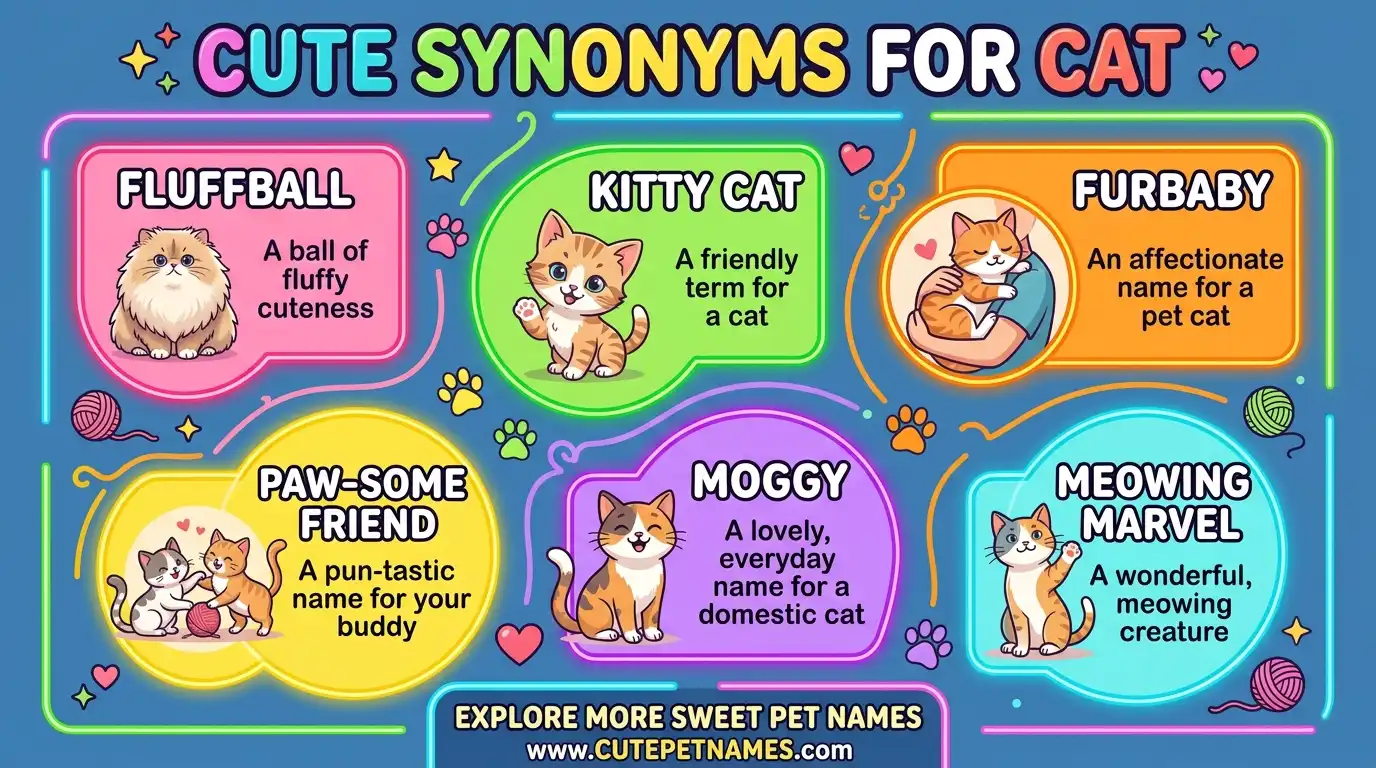 WORD GUIDE ↗
Find affectionate and playful ways to describe cats in stories, pet writing, captions, and conversations.
Read the guide ↗A strong vocabulary is not simply a collection of impressive words. It is the ability to choose language that expresses an idea accurately and suits the reader, purpose, and tone. A familiar word is often the best choice; a synonym is helpful when it makes your meaning clearer or more specific.
That is why Synonymall focuses on definitions, context, and practical examples alongside alternatives. Whether you are revising a university essay, preparing for an English test, writing a professional report, or simply exploring a new word, use each guide to understand the options before making your choice.
Explore the vocabulary collection ↗Learn how to use synonym guides and build a vocabulary that works in real writing.
A synonym is a word that has the same or a similar meaning to another word. For example, “begin” and “start” are synonyms. Their exact use can still depend on context, tone, and sentence structure.
No. Similar words can carry different shades of meaning, levels of formality, or grammatical patterns. Always read the replacement in the full sentence to make sure it communicates the same idea.
Carefully chosen synonyms can reduce unnecessary repetition and help you express ideas more precisely. Accuracy matters more than using complicated vocabulary, so choose words that fit your subject and argument.
Formal words are generally suited to academic, professional, and official communication. Informal words are more common in relaxed conversation. The right level depends on your audience and purpose.
Read regularly, note unfamiliar words, learn their meanings and common usage, and practise writing your own examples. Reviewing words in context helps you remember them and use them naturally.
Yes. Synonymall's vocabulary guides and learning resources are available to read without an account or subscription.
Explore the word library, compare alternatives, and make your next sentence more precise.
Start exploring ↗